Your Body’s “Movement Bank”: Why Daily Movement Matters for Long-Term Health

Movement is a biological necessity that impacts every bodily system, including circulation, cognition, metabolism, and emotional stability. Rather than treating it as an optional activity, you should view movement as an essential daily investment. Like a savings account, small consistent "deposits" of movement build resilience and long-term health.
The "Core 4" of Motion
A fully functional body relies on four foundational abilities:
- Stability: The ability to maintain balance and control.
- Flexibility: The capacity of muscles and joints to stretch and adapt.
- Mobility: The range and ease of motion through joints.
- Capability: The strength to perform tasks and sustain activity.
A weakness in one of these areas affects the others. For example, poor flexibility may lead to limited mobility, which then compromises capability. Addressing all four areas supports a fully functional body.
The Dangers of Sedentrariness
A lack of movement can have serious long-term consequences. When your body stays still for too long, it begins to lose strength, flexibility and function. Over time, this inactivity can contribute to a condition called sarcopenia, which is the natural loss of muscle that happens with aging. As muscle mass declines, so does strength, balance and metabolism. This increases your risk of falls, weight gain and injury. Being sedentary also affects how fluids move through the body. Blood, joint and lymphatic fluid all need regular motion to circulate properly. Consistent lack of movement causes these systems to slow, which can lead to inflammation, joint stiffness and reduced immune function.
You may also experience modern posture-related problems such as “Tech Neck Syndrome,” a condition caused by long periods of looking down at screens. This forward head posture puts strain on your neck and upper back, causing pain, headaches and reduced mobility.
Most concerning of all, research shows that poor balance and prolonged inactivity are associated with a higher risk of early death. Regular movement keeps your body systems active, your mind sharp and your muscles strong. Ultimately, this helps you stay mobile, independent and healthy as you age.
Inactivity can lead to serious long-term consequences:
- Sarcopenia: The natural loss of muscle mass, strength, and balance associated with aging.
- Impaired Circulation: Lack of motion slows the movement of blood, joint, and lymphatic fluids, potentially leading to inflammation and reduced immune function.
- Modern Ailments: "Tech Neck Syndrome," caused by looking down at screens, strains the neck and back, causing pain and headaches.
- Increased Risk: Research associates poor balance and prolonged inactivity with a higher risk of early death.
Making Daily Deposits
Movement does not need to be intense; consistency is what matters. Simple ways to include movement include:
- Walking for 10 minutes after meals.
- Taking the stairs instead of the elevator.
- Stretching upon waking and before bed.
- Setting a timer to move every hour.
- Practicing mindful posture and bodyweight exercises like squats or wall push-ups.
Reclaiming Your Posture
Proper posture improves more than appearance; it allows for deeper breathing, better focus, and improved organ function. Poor posture is one of the most overlooked contributors to pain and dysfunction. Slouching, tech neck and desk fatigue compress the spine, reduce oxygen intake and cause unnecessary strain on muscles and joints.
To improve posture:
- Keep screens at eye level.
- Sit with feet flat and knees at 90 degrees.
- Keep shoulders relaxed and pulled back.
- Avoid rounding the lower back.
Better posture improves more than just appearance. When your spine is aligned and upright, your lungs have more room to expand, which allows you to take deeper, more efficient breaths. This increase in oxygen intake supports better focus, reduces fatigue and improves mood. Proper posture also creates space for your internal organs to function without compression. This helps your digestive system process food more effectively and reduces issues like bloating or acid reflux.
Together, these changes lead to higher energy levels, more stable emotions and a body that feels more comfortable and capable
throughout the day.
The Chiropractic Connection
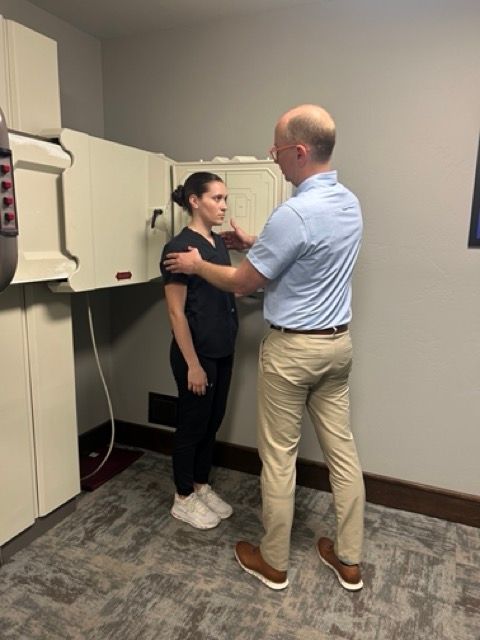
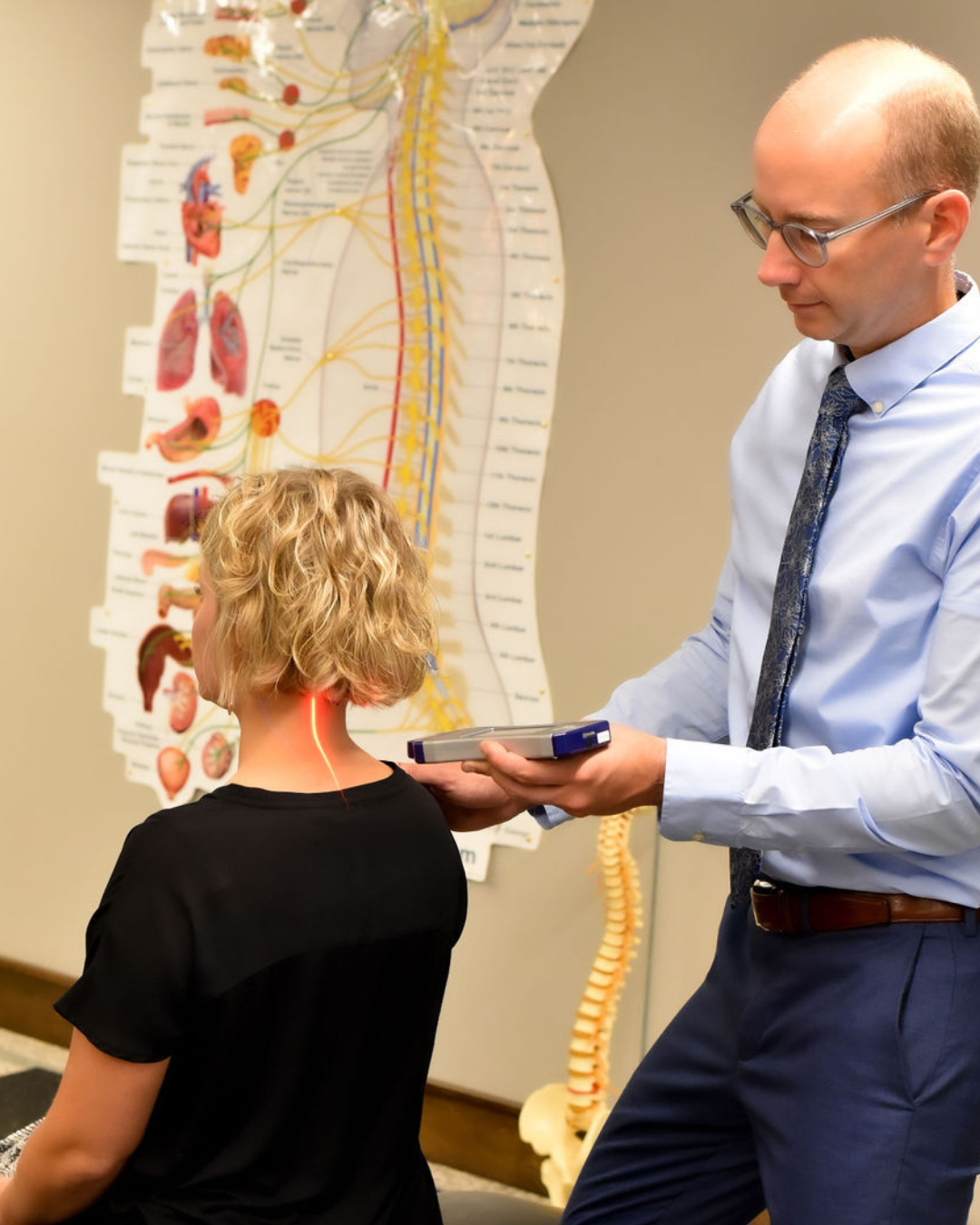
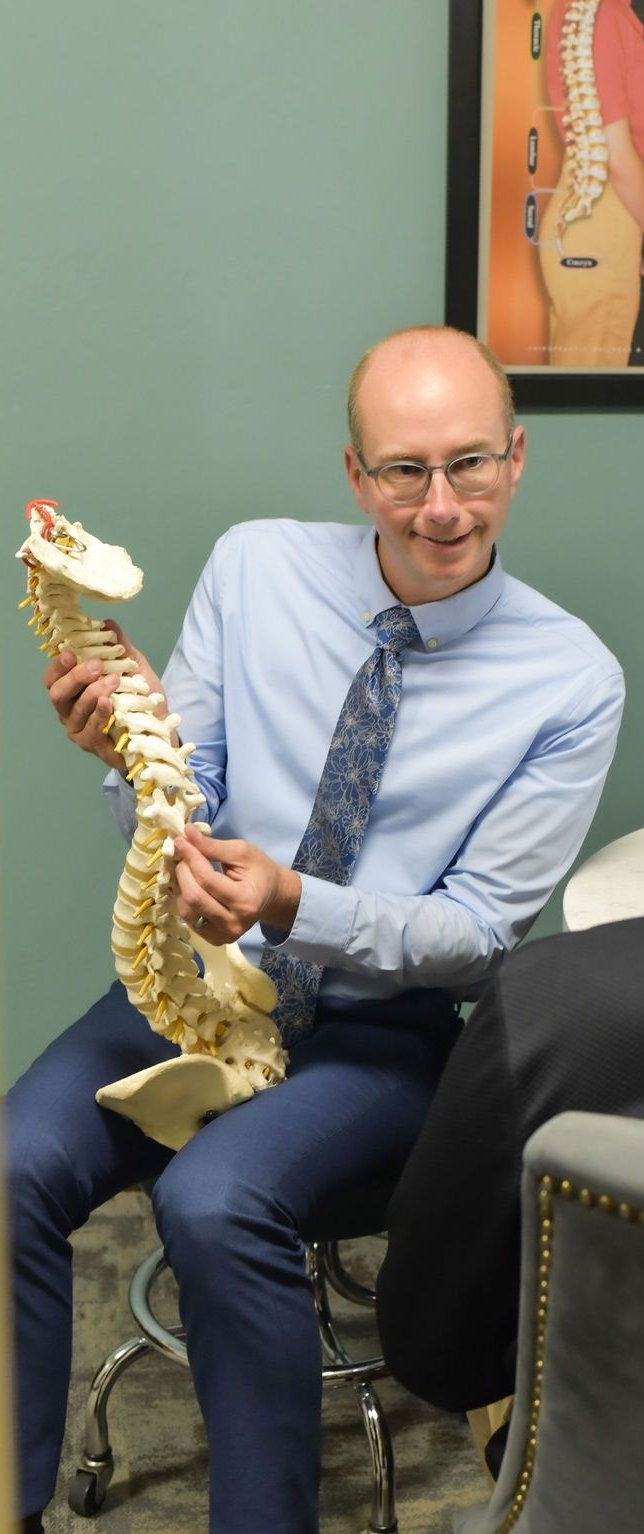
Doctors of Chiropractic (DC), like Dr. John Reitz, are trained to detect and correct joint dysfunction. Misaligned joints can restrict movement, impair nerve function and cause pain or stiffness.
Chiropractic care helps by:
- Restoring proper alignment and joint motion
- Relieving tension that limits movement
- Supporting muscle balance and coordination
- Educating patients on safe and sustainable movement habits
Final Thoughts
Your body is designed to move. Without motion, it cannot function optimally or maintain strength and adaptability. Treat movement like a daily investment. Each step, stretch and posture correction is a deposit toward improved health, energy and long-term capability.
You do not need a gym membership to start. You need commitment, consistency and support from providers who understand your body’s structure and potential.
Next Steps
- Speak with your Chiropractor for additional advice. Learn About Chiropractic Care
- Read:
Adjusted Reality: Supercharge Your Whole-Being for Optimal Living and Longevity.
- Listen: The Adjusted Reality podcast.
Ready to Move Better and Feel Better?
At Better Life Chiropractic & Wellness, we help you:
- Improve mobility
- Reduce pain
- Support your nervous system
- Build a healthier, more resilient body
Schedule your visit today to start improving your movement and your health.
Or call our office to learn how we can support your wellness journey.